MRC Biomedicine 2025
Science Conference
18 November 2025





Foreword
by Professor Patrick Chinnery


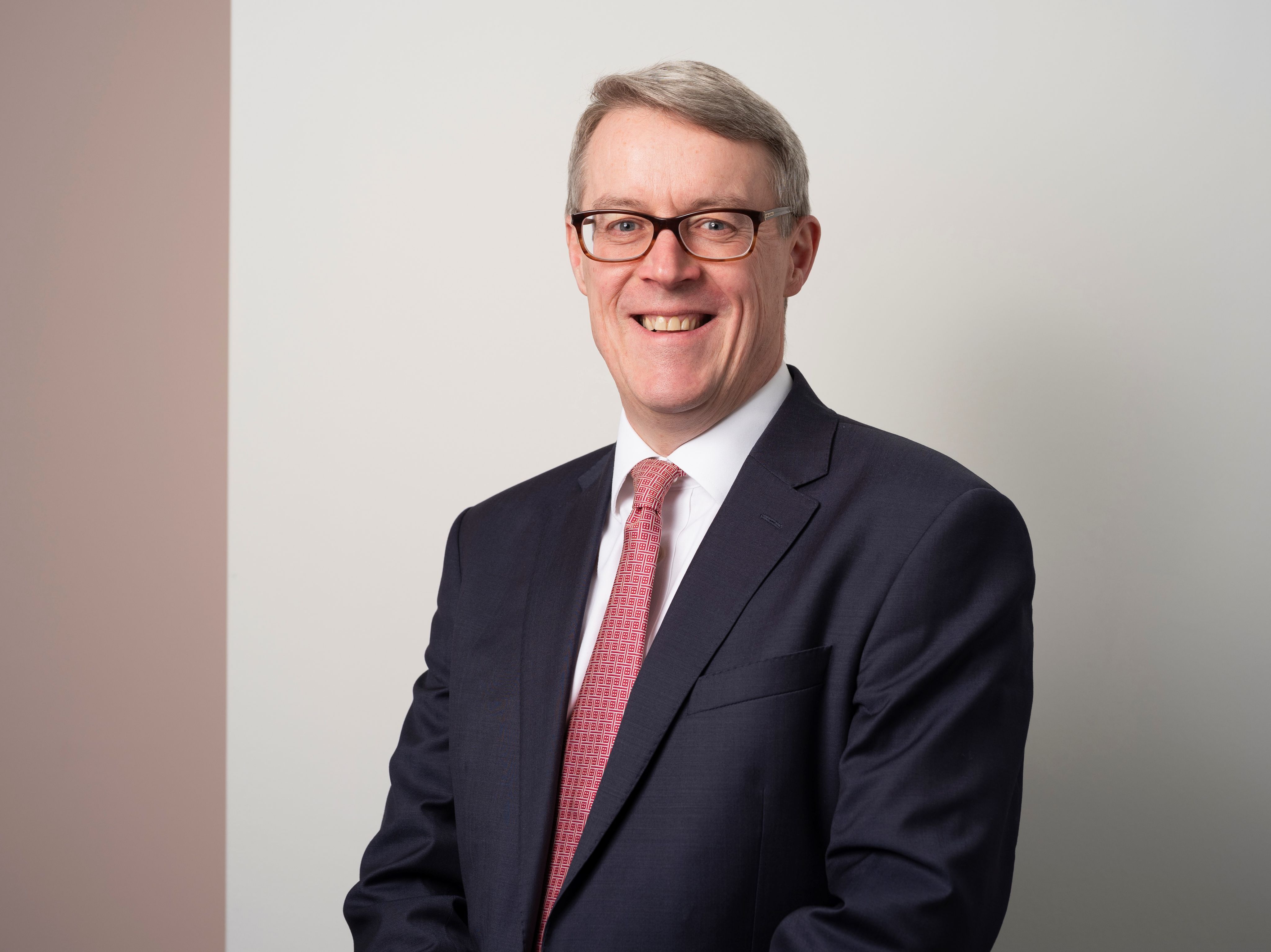
Professor Patrick Chinnery, Executive Chair, Medical Research Council
Professor Patrick Chinnery, Executive Chair, Medical Research Council
Welcome to the first ever Medical Research Council (MRC) Conference where we will celebrate the most extraordinary scientific discoveries made by the people we support. The conference theme embodies what the MRC is all about: 'Understanding disease mechanisms – from molecules to populations', and will show how we are having an impact on health and the UK economy.
The MRC supports the world's best scientists and teams who are tackling the most challenging research questions, from decoding molecular pathways in individual cells to understanding how diseases spread through entire populations. At the molecular and cellular level, our researchers are unravelling the fundamental mechanisms that drive disease – discovering how proteins misfold, how genetic variations influence cellular function, and how therapeutic targets can be identified at the most basic biological level.
However, understanding molecules and cells is only part of the story. The same disease can affect different populations in vastly different ways, influenced by genetics, environment, and social factors. That's why MRC research extends beyond research labs into the population, identifying why certain communities are more vulnerable and how interventions can be designed to benefit everyone.
The new knowledge generated allows us to diagnose illnesses earlier, develop more targeted treatments, and prevent diseases before they cause harm. This integrated understanding from molecules to populations also drives innovation that benefits the UK economy.
Today's programme spans the full breadth of MRC science, showcasing discoveries that move seamlessly from molecular mechanisms to population health outcomes. Research leaders will share their vision for the future and discuss the challenges and opportunities ahead.
I look forward to welcoming you all to what promises to be an inspiring day of discovery and collaboration, and listening to your feedback to help make our next conference even bigger and better.
Professor Patrick Chinnery
Executive Chair, Medical Research Council
Mountbatten Room
Understanding disease mechanisms – from molecules to populations



Molecules and cells
|
09.00-09.40 |
Arrival, Registration and Refreshments |
|
09.40-10.00 |
Opening Address from Lord Vallance |
|
10.00-11.00 |
Morning Key Note Chair: Professor Sir Mike Ferguson, University of Dundee
Keynote speech: Professor Sarah Teichmann, University of Cambridge – Translating the Human Cell Atlas: Disease, Diagnostics and Drugs. |
|
11.00-11.20 |
Break |
|
11.20-12.40 |
Morning Panel Session Chair: Professor Sir Mike Ferguson, University of Dundee
Panel Sessions: Dr Greg Jefferis, MRC Laboratory of Molecular Biology – Learning from connectomes - from structure to function Professor Jason Chin, Oxford University – Reprogramming the Genetic Code Professor Sir John Hardy, University College London – Genomics and the Path to Understanding Neurodegeneration Professor Samra Turajilić, CRUK Manchester Institute, Francis Crick Institute, Christie NHS Foundation Trust – Cancer as a System: Integrating Evolutionary Genomics in Oncology Panel Discussion and Q&A |
|
12.40-13.30 |
Lunch |
People and populations
|
13.30-14.20 |
Afternoon Keynote Chair: Dr Tony Wood, GSK Keynote speech: Professor Cathie Sudlow, University of Edinburgh – The future of population science |
|
14.20-15.40 |
Afternoon Panel Session Chair: Dr Tony Wood, GSK Panel sessions: Professor Sir Rory Collins, University of Oxford – Developing a strategic approach to population-based discovery science Professor Sadaf Farooqi, University of Cambridge – Translational research in obesity: What's next on the horizon? Professor Claudia Langenberg, Queen Mary University of London – From Populations to Cells: Precision Health Through Molecular Profiling Professor Raghib Ali, Our Future Health – The world's largest consented cohort and resource for population health, genomics and prevention research.
Panel Discussion and Q&A |
|
15.40-15.45 |
Break |
|
15.45-15.50 |
Poster Competition Winner |
|
MRC Max Perutz Award 2025 Ceremony |
|
|
15.50-15.55 |
MRC Max Perutz Award 2025 Ceremony starts Dr Glenn Wells, MRC Executive Chair and Master of Ceremonies |
|
15.55-16.00 |
Welcome address Professor Patrick Chinnery, MRC Executive Chair |
|
16.00-16.30 |
Presentation of prizes Dr Joanna Robinson, MRC Director of Research Talent, Skills and Careers and Chair of the Judging Panel |
|
16.30-16.35 |
Closing remarks Dr Joanna Robinson |
|
16.35-16.40 |
Break |
|
25th Anniversary MRC Millennium Medal Ceremony |
|
|
16.40-16.45 |
Presentation of MRC Millennium Medal 2025 Professor Patrick Chinnery, MRC Executive Chair |
|
16.45-17.20 |
2025 Winner Awards Lecture Professor George Davey Smith, Professor of Clinical Epidemiology and Director of the MRC Integrative Epidemiology Unit at University of Bristol
Moving from correlations to causes in medical research: an epidemiological odyssey |
|
17.20-17.25 |
Closing remarks Professor Patrick Chinnery, MRC Executive Chair |
|
17.25 |
Session close |
|
17.25-17.40 |
Closing remarks Professor Andrew Morris, Director HDR UK and President of the Academy of Medical Sciences Leading medical science into the future….innovation, translation, impact |
|
17.40-18.30 |
Drinks Reception made possible by kind donation |
|
18:30 |
Close |
Mountbatten speakers
Lord Vallance
Minister for Science, Innovation, Research and Nuclear


Lord Vallance served as Government Chief Scientific Adviser from April 2018 to April 2023, also holding roles as National Technology Adviser and Head of Government Science and Engineering Profession. Previously, he was President of R&D at GlaxoSmithKline (2012-2017), overseeing approval of numerous medicines for cancer, rare diseases, asthma and HIV. Before GSK, he was Professor of Medicine at UCL and an NHS consultant physician. His research encompassed medicinal chemistry, structural biology and electronic health records. He's a Fellow of the Academy of Medical Sciences and Royal Society.
Professor Sir Mike Ferguson
Regius Professor of Life Sciences

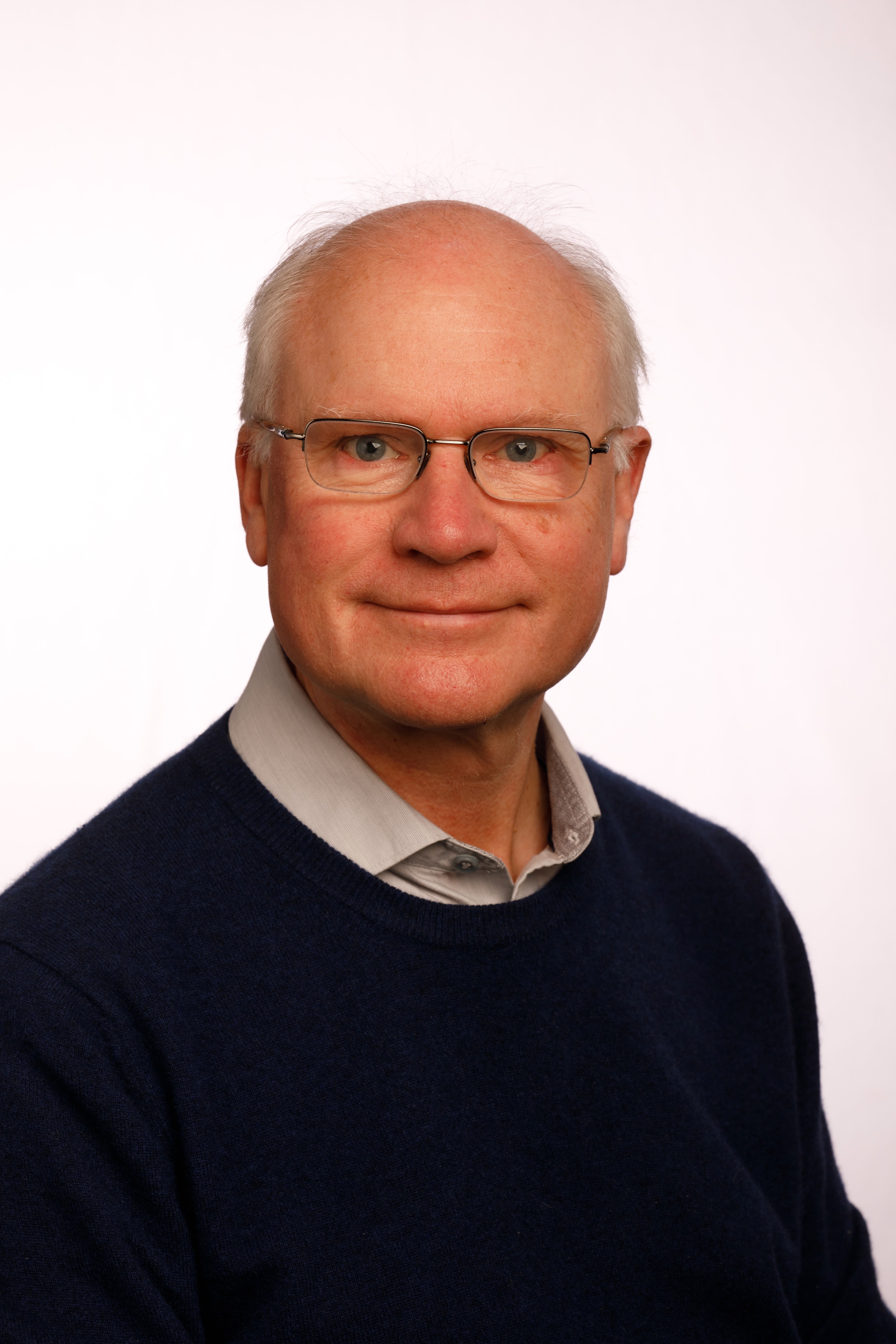
Mike's fundamental research on protozoan parasite glycobiology and biochemistry led to establishing a Drug Discovery Unit. His translational work has produced practical outputs including a new African sleeping sickness diagnostic, clinical drug candidates for malaria and leishmaniasis, and pre-clinical candidates for Chagas' disease and tuberculosis. Since 1988, he's contributed to Dundee's Life Sciences sector through research facilities and co-leading the Growing the Tay Cities BioMedical Cluster initiative. He served on boards including Wellcome Trust (2012-2021, deputy chair 2018-2021) and currently serves on UK Biobank, Medicines Discovery Catapult, and PhaSER Bio boards. He co-founded Amphista Therapeutics.
Professor Sarah Teichmann
Professor of Stem Cell Medicine, Clinical School, University of Cambridge

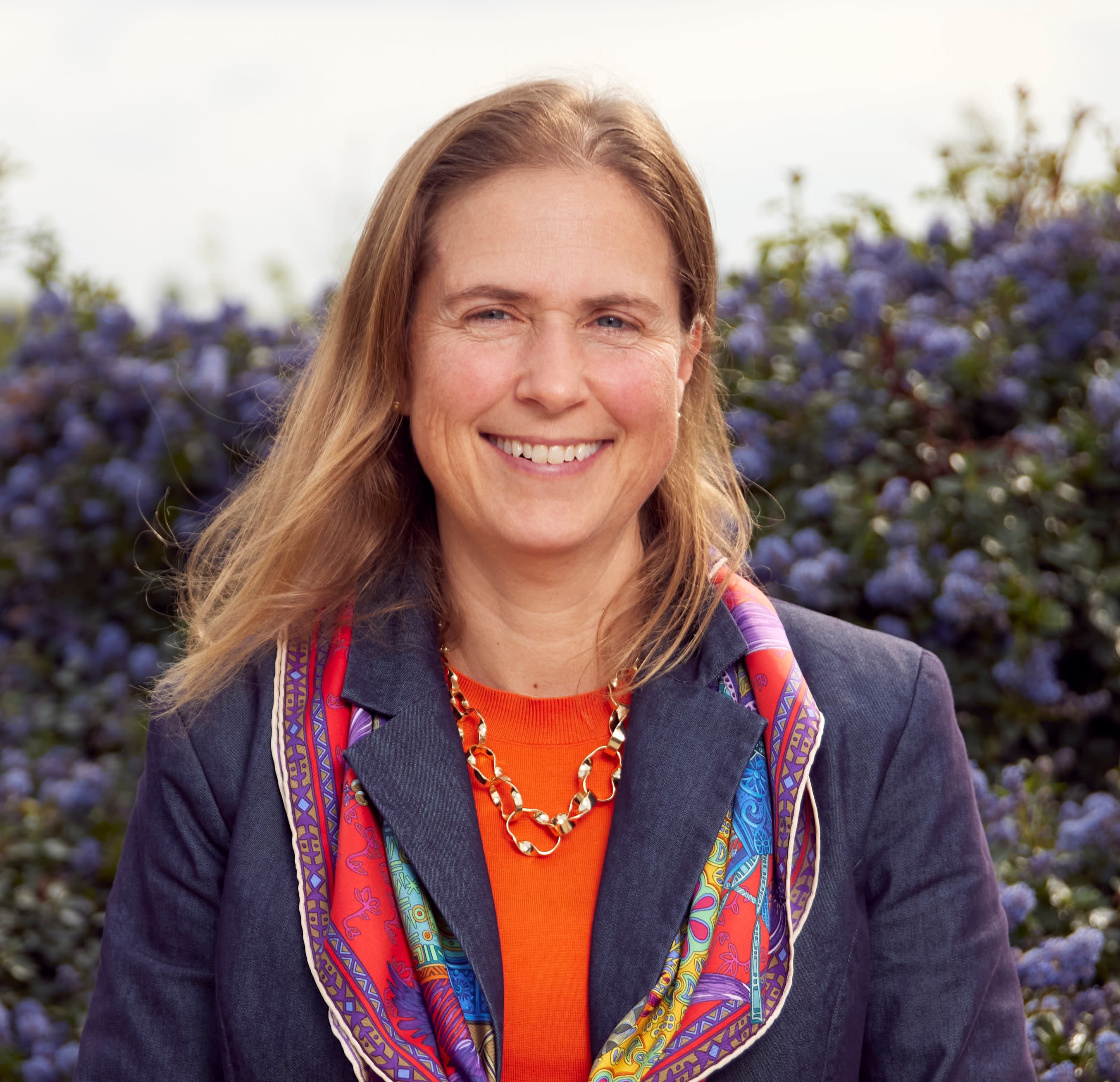
Sarah completed her PhD at MRC Laboratory of Molecular Biology, Cambridge, and was a Beit Memorial Fellow at University College London. She established her research group at MRC Laboratory of Molecular Biology in 2001, discovering that protein assembly pathways are stereotypical and conserved. In 2013, she transitioned to Wellcome Genome Campus, becoming the only faculty member appointed across both EMBL-European Bioinformatics Institute and Wellcome Sanger Institute. She was appointed Head of Cellular Genetics programme at Wellcome Sanger Institute in 2016 and co-founded the Human Cell Atlas initiative. From April 2024, she became Chair in Stem Cell Medicine at University of Cambridge, also dedicating time to GlaxoSmithKline and EnsoCell Therapeutics.
Dr Greg Jefferis
Joint Head of Neurobiology, MRC Laboratory of Molecular Biology

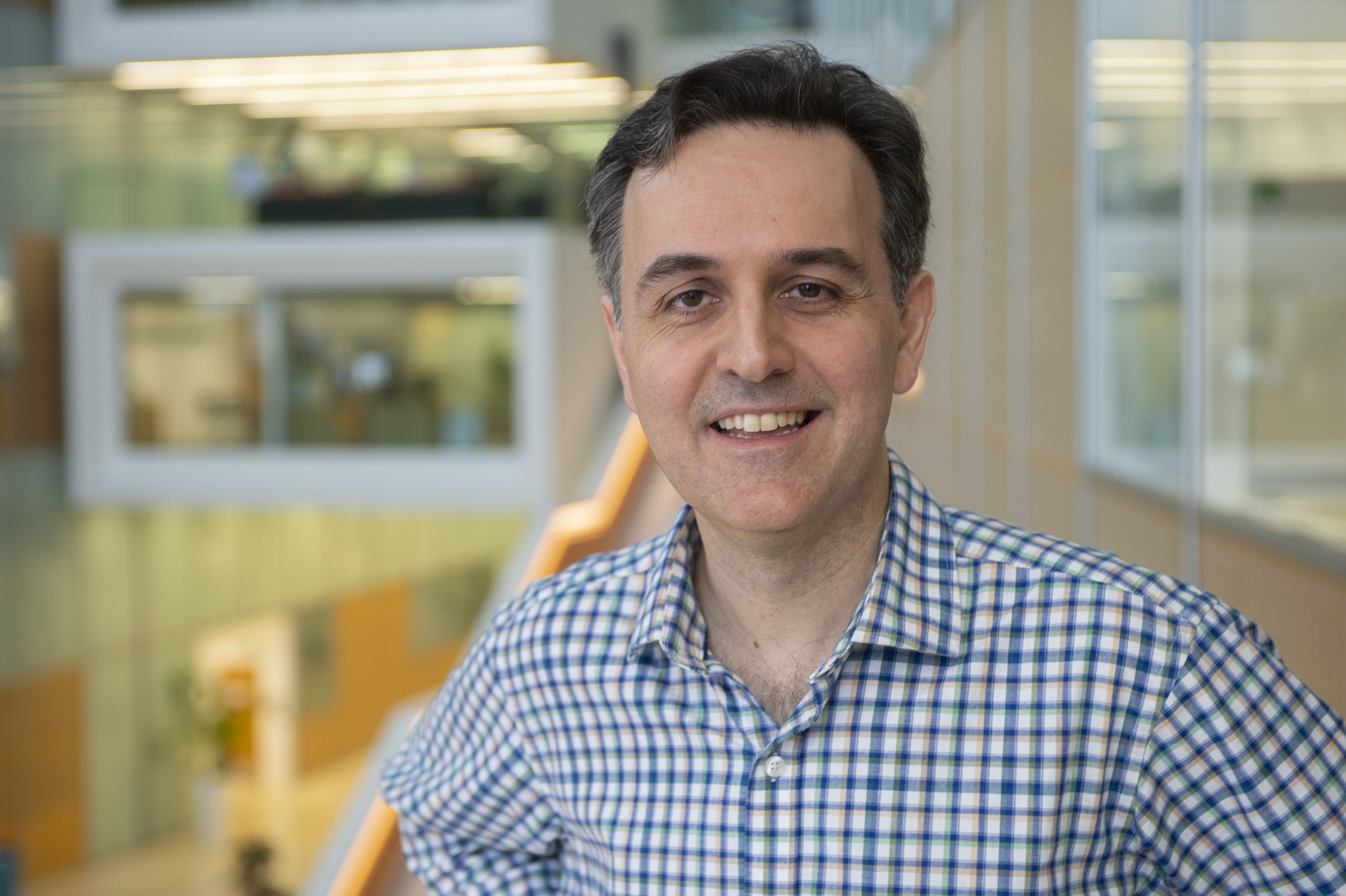
Dr Greg Jefferis studies neural circuits underlying behaviour using fruit fly brains as models. His research examines brain wiring from individual synaptic connections to complete circuits. His group discovered the first sex-specific connectivity switch in animal brains and combines connectomes with physiology to understand learned versus innate behaviour. He co-leads international collaborations producing the first complete adult animal brain connectomes. Joint head of MRC Laboratory of Molecular Biology's Neurobiology Division and Director of Research at University of Cambridge Zoology Department, he leads the Drosophila Connectomics Group. After Cambridge Natural Sciences and Stanford Neuroscience PhD, he became Royal Society Fellow in 2025.
Professor Jason Chin
Professor of Chemistry at Oxford University

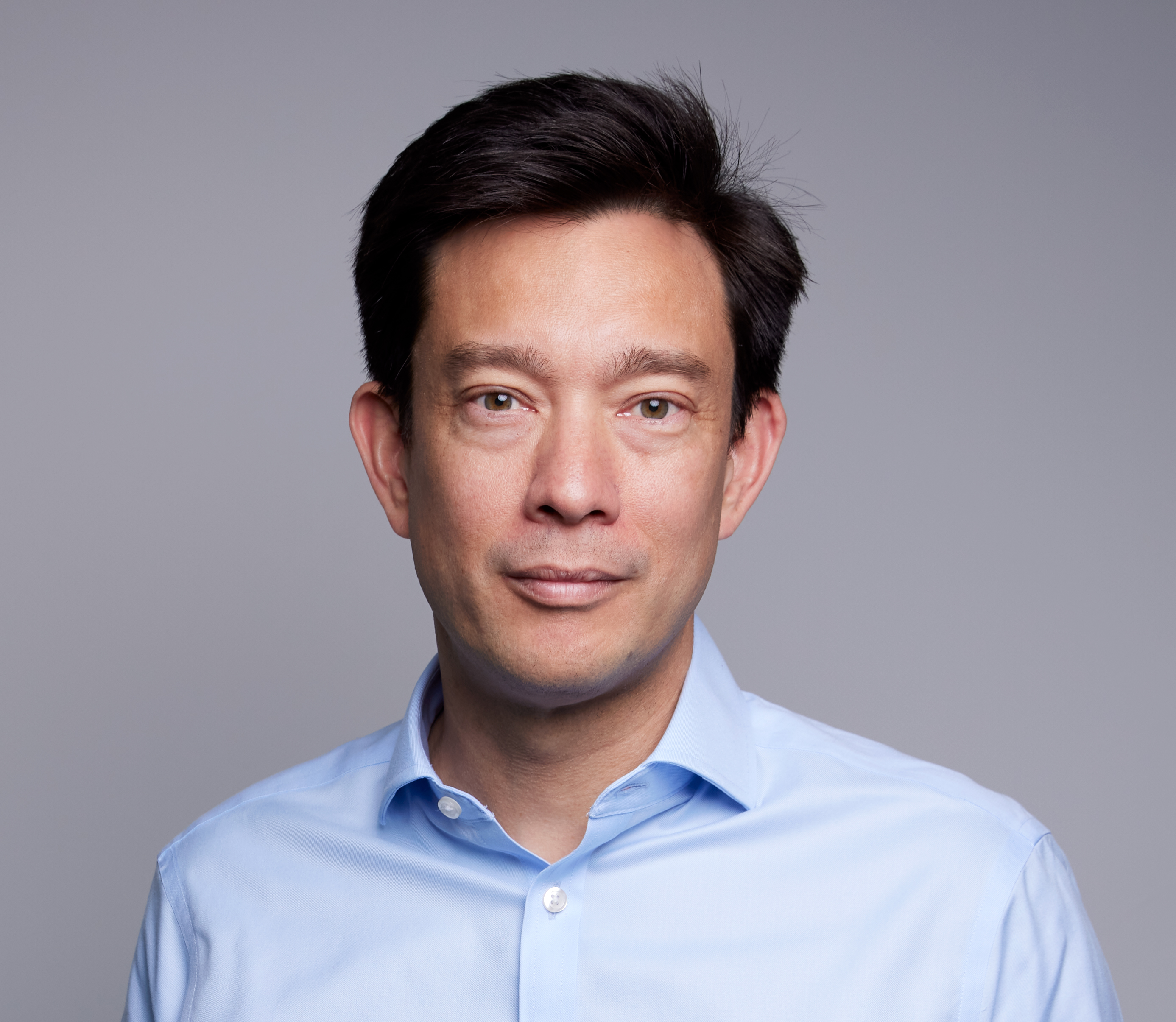
Jason is Founding Director of the Generative Biology Institute at Oxford's Ellison Institute of Technology and Professor of Chemistry at Oxford University. He founded Constructive Biology Ltd and serves as Non-Executive Director at the Department of Science, Innovation and Technology. Previously, he led programmes at Cambridge's MRC Laboratory of Molecular Biology. Notable awards include the Francis Crick Prize, EMBO Gold Medal, and Sackler International Prize. He's a Fellow of The Royal Society and Academy of Medical Sciences.
Professor Sir John Hardy
Chair of Molecular Biology of Neurological Disease at the UCL Institute of Neurology, University College London

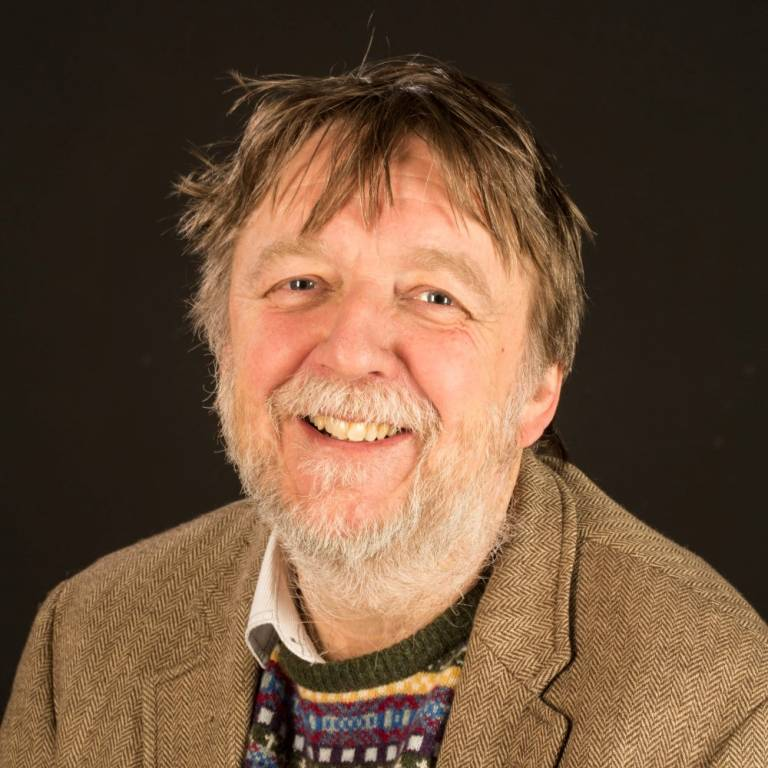
Following his PhD, John conducted postdoctoral research in Newcastle and Sweden, focusing on Alzheimer's disease. He became Assistant Professor at Imperial College London in 1985, initiating genetic studies of Alzheimer's. Moving to the USA in 1989, he held positions at University of South Florida and Mayo Clinic before joining the National Institute on Aging in 2001. In 2007, he returned to UCL as Chair of Molecular Biology of Neurological Disease. His distinguished career includes the 2015 Breakthrough Prize, 2018 Brain Prize, multiple honorary doctorates, and a 2021 knighthood for services to dementia research.
Professor Samra Turajlićć
Clinician Scientist and Consultant Medical Oncologist at Royal Marsden

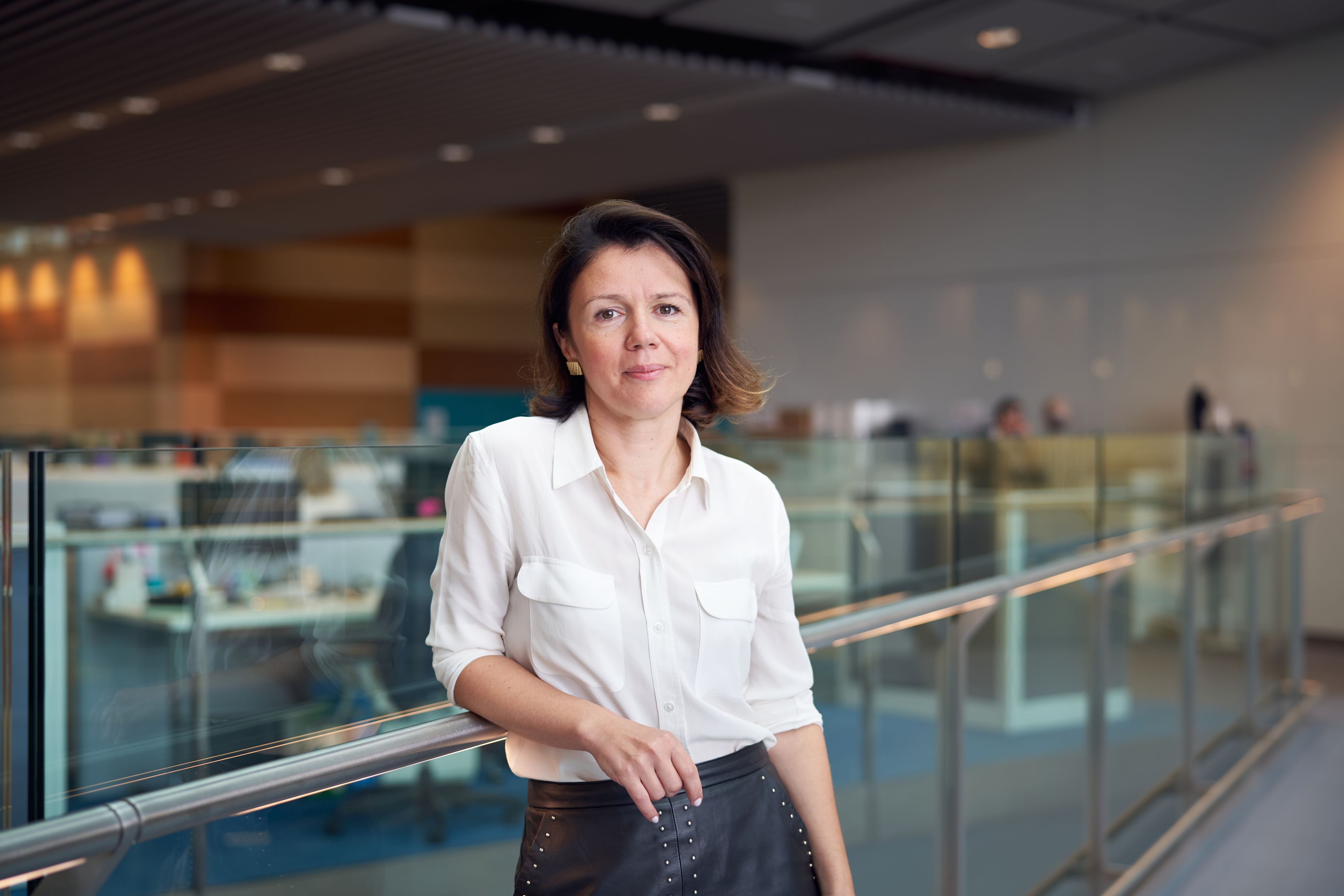
Professor Turajlić is a Clinician Scientist and Consultant Medical Oncologist at Royal Marsden, specialising in melanoma and kidney cancer since 2015. Her PhD focused on melanoma genetics and targeted therapy resistance. In 2014, she received a Cancer Research UK Clinician Scientist Fellowship, becoming an independent Group Leader at Francis Crick Institute in 2019. Her research spans basic, translational and clinical work investigating tumour initiation, metastasis and therapy resistance. She holds multiple international advisory positions and leads the 100K Genomes Project Partnership for Melanoma. In 2022, she won the ESMO Translational Research Award and received the UK COVID Cancer pandemic prize, leading the MANIFEST consortium since 2024.
Dr Tony Wood
GSK’s Chief Scientific Officer

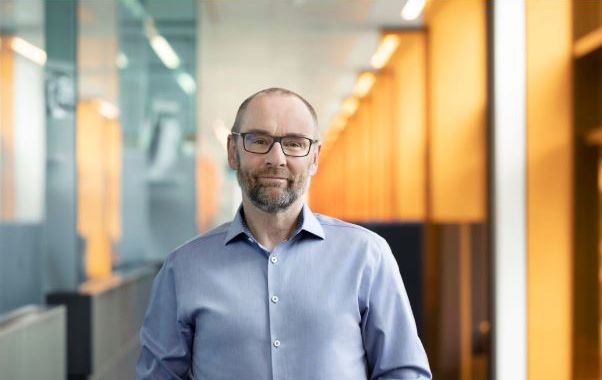
Dr Tony Wood became GSK's Chief Scientific Officer in August 2022, having been appointed designate in January 2022. A pre-eminent medicinal chemist with over 30 years' experience, he joined GSK from Pfizer in 2017. Wood has led global drug discovery organisations across immunology, oncology and infectious diseases, improving GSK's R&D productivity through focus on immune system science, human genetics and advanced technologies. He built GSK's functional genomics and AI/ML capabilities and established key collaborations. Wood invented an HIV antiviral medicine, winning international awards including the PhRMA Discoverers Award and Prix Galien USA. A Fellow of multiple prestigious academies, he contributed to UK COVID-19 planning and holds chemistry degrees from Newcastle University.
Professor Cathie Sudlow
Director of the Usher Institute at the University of Edinburgh and Director of the Adolescent Health Study (AHS)

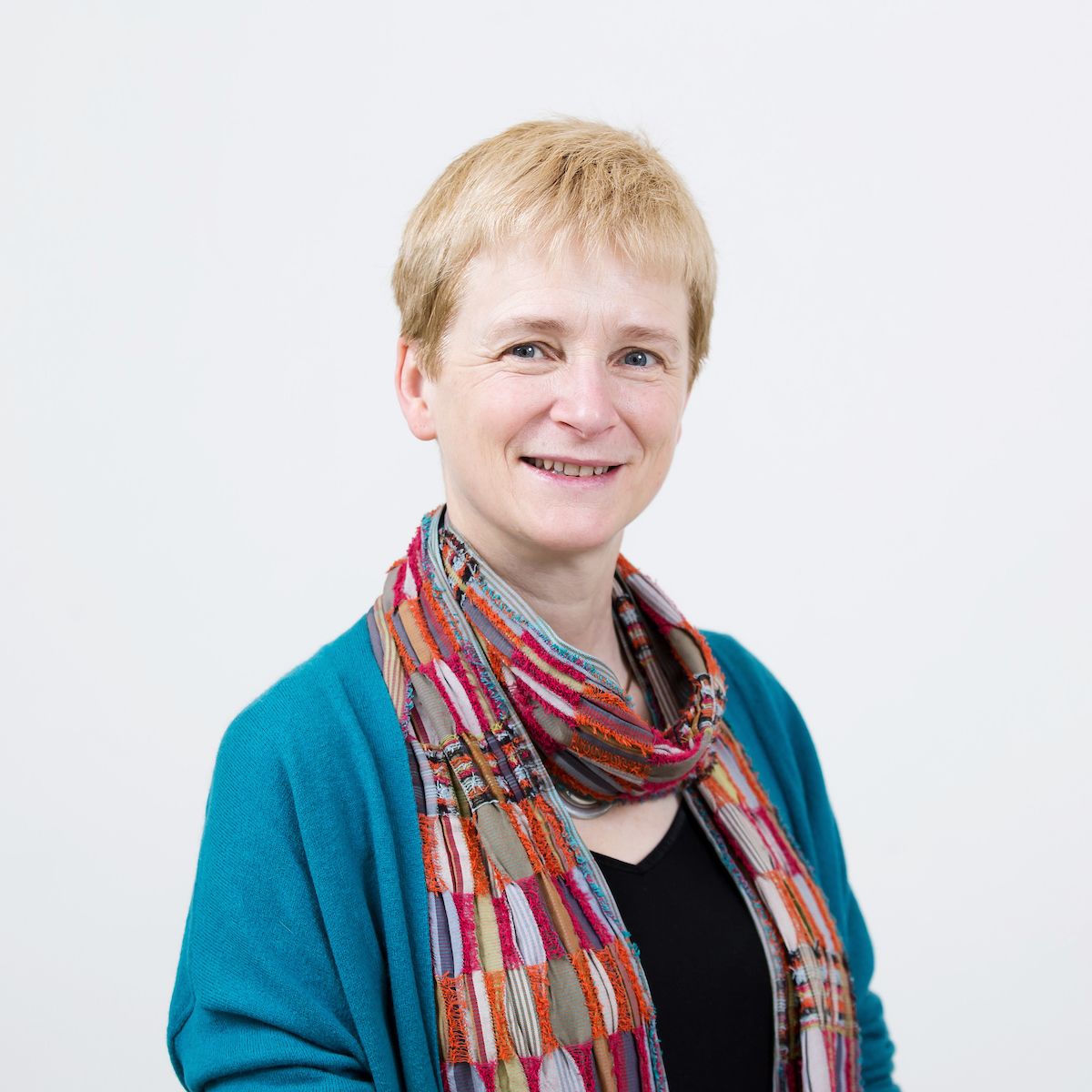
Professor Cathie Sudlow is Director of the Usher Institute at Edinburgh University and Director of the UKRI Adolescent Health Study. She's Strategic Advisor to Health Data Research UK, having previously served as Chief Scientist and Deputy Director until 2024. A neurology specialist with over 30 years' NHS experience, her research focuses on large-scale, collaborative health data initiatives. She was Chief Scientist for UK Biobank (2011-2019) and led development of NHS England's first secure research data environment. In 2023, she conducted an independent review of the UK's health data landscape. She was awarded an OBE in 2020.
Professor Sir Rory Collins
Head of Nuffield Department of Population Health and BHF Professor of Medicine and Epidemiology at University of Oxford

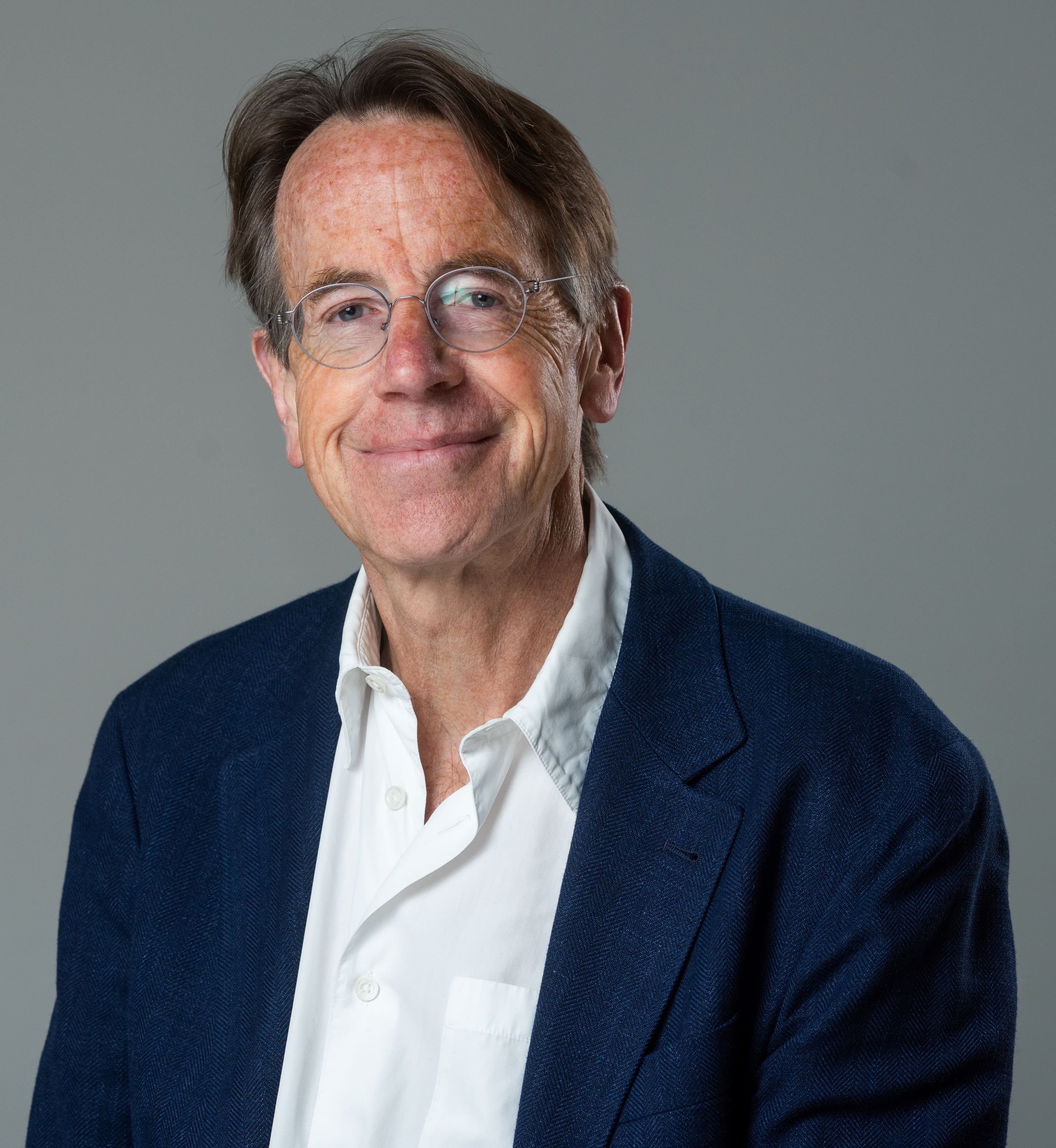
Professor Sir Rory Collins is a medically-qualified epidemiologist studying cardiovascular disease prevention and treatment through large international population-based studies. He's founding Head of Oxford University's Nuffield Department of Population Health. Over 40 years, his randomised trials demonstrated that clot-dissolving and clot-preventing treatments during heart attacks can halve mortality, and statin therapy safely reduces cardiovascular death and disability risks. In 2005, he became Principal Investigator and Chief Executive of UK Biobank, involving 500,000 participants in the world's largest deeply-characterised prospective study. Over 30,000 researchers worldwide currently use UK Biobank, generating over 3,000 papers in 2023 alone.
Professor Sadaf Farooqi
Professor of Metabolism and Medicine at the University of Cambridge

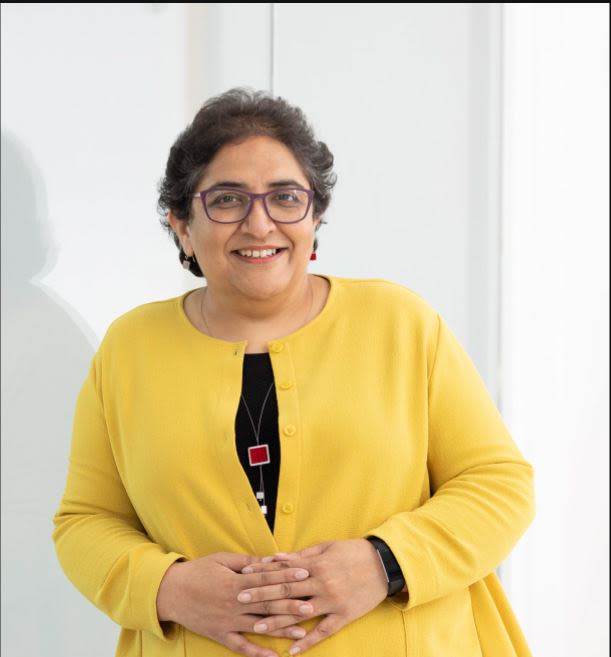
Professor Sadaf Farooqi studied Medicine at Birmingham University, qualifying with Honours in 1993 and winning the Queen's Scholarship. She's Professor of Metabolism and Medicine at University of Cambridge and Honorary Consultant Physician in Diabetes and Endocrinology. An internationally recognised clinician scientist, she has made seminal contributions to understanding genetic and physiological mechanisms underlying obesity. Through discovering genetic disorders disrupting the leptin-melanocortin pathway, her work fundamentally altered understanding of body weight regulation, leading to global clinical guidelines recommending genetic testing for childhood-onset obesity. Her research informed targeted therapies now licensed internationally, transforming lives of children and adults with severe obesity. She was elected Fellow of the Royal Society in 2021.
Professor Raghib Ali
CEO, Chief Investigator and Chief Medical Officer of Our Future Health

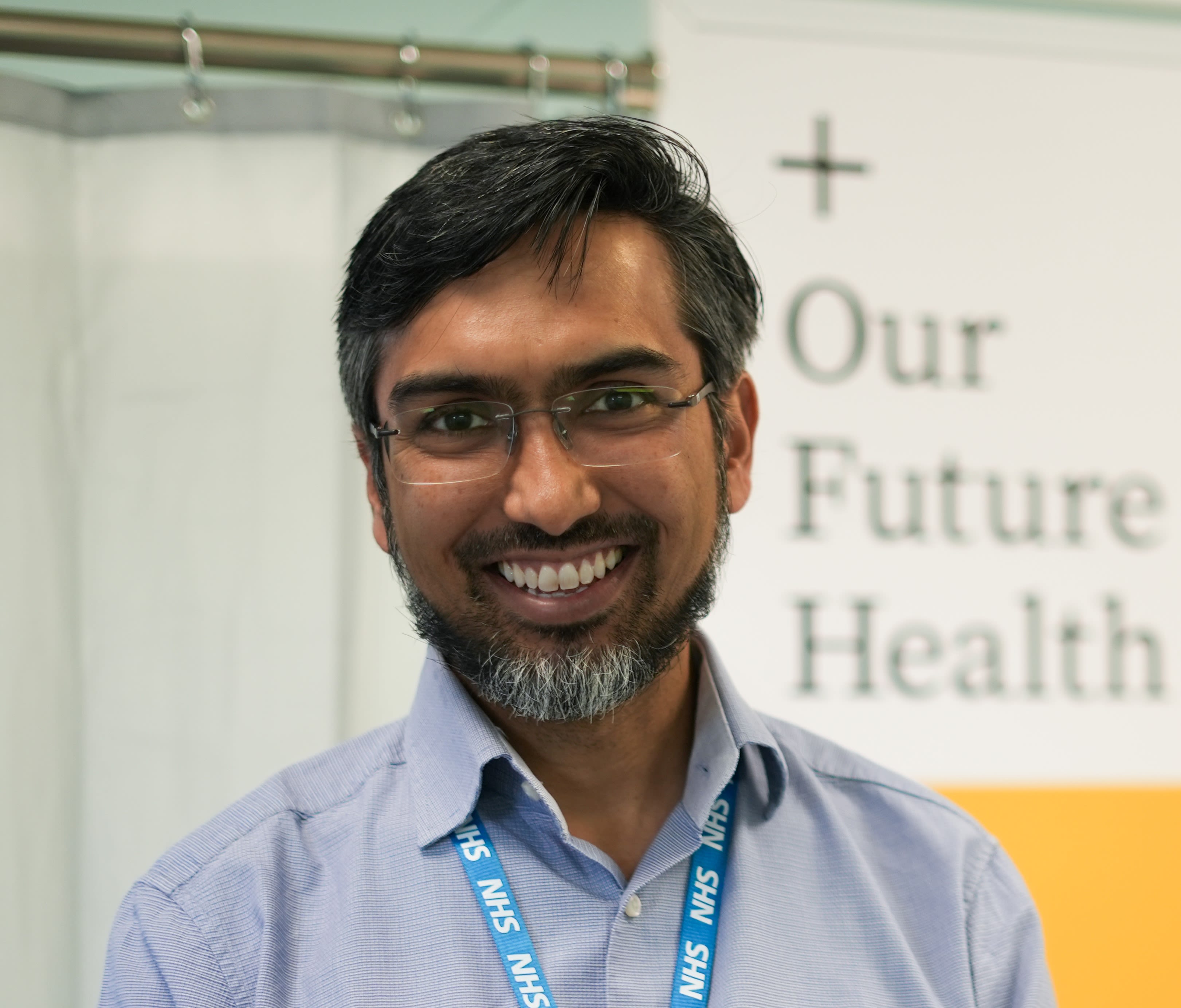
Professor Raghib Ali is the CEO, Chief Investigator and Chief Medical Officer of Our Future Health; a Clinical Epidemiologist at the University of Cambridge; a Consultant in Acute Medicine at the Oxford University Hospitals NHS Trust; and Honorary Consultant with the Office for Health Disparities and Improvement. He graduated from the University of Cambridge and has been awarded postgraduate degrees in Epidemiology and Public Health from the Universities of London, Cambridge and Oxford and is a Fellow of the Royal College of Physicians. He was awarded an OBE in the Queen’s Birthdays Honours 2022 for services to the NHS and the Covid-19 response and elected as an Honorary Fellow of the Faculty of Public Health in 2023.
Professor Claudia Langenberg
Director, Precision Healthcare University Research Institute, Queen Mary University of London

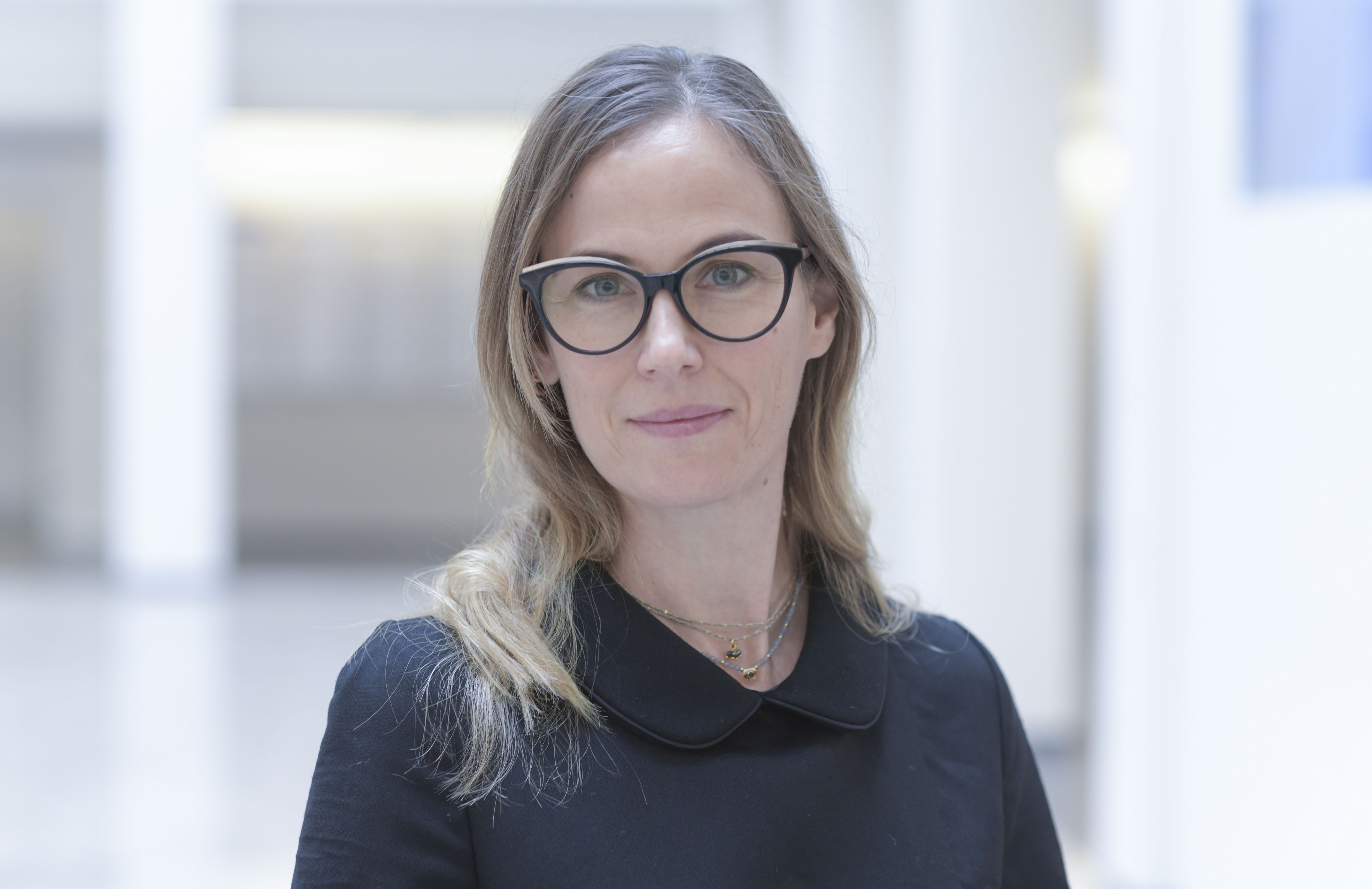
Professor Claudia Langenberg directs the Precision Healthcare University Research Institute at Queen Mary University of London and serves as Honorary Consultant in Public Health at Barts Health NHS Trust and Department of Health and Social Care. She's also Professor of Computational Medicine at Berlin Institute of Health at Charité, Germany. Her research focuses on genetic regulation of human metabolism, transforming integration of large-scale molecular and clinical data to characterise genetic effects across organs, tissues and cells, advancing understanding of human disease causes. Named among Best Female Scientists globally since 2022, she's a Fellow of Academy of Medical Sciences and EMBO member.
Professor Andrew Morris
Director HDR UK and President of the Academy of Medical Sciences

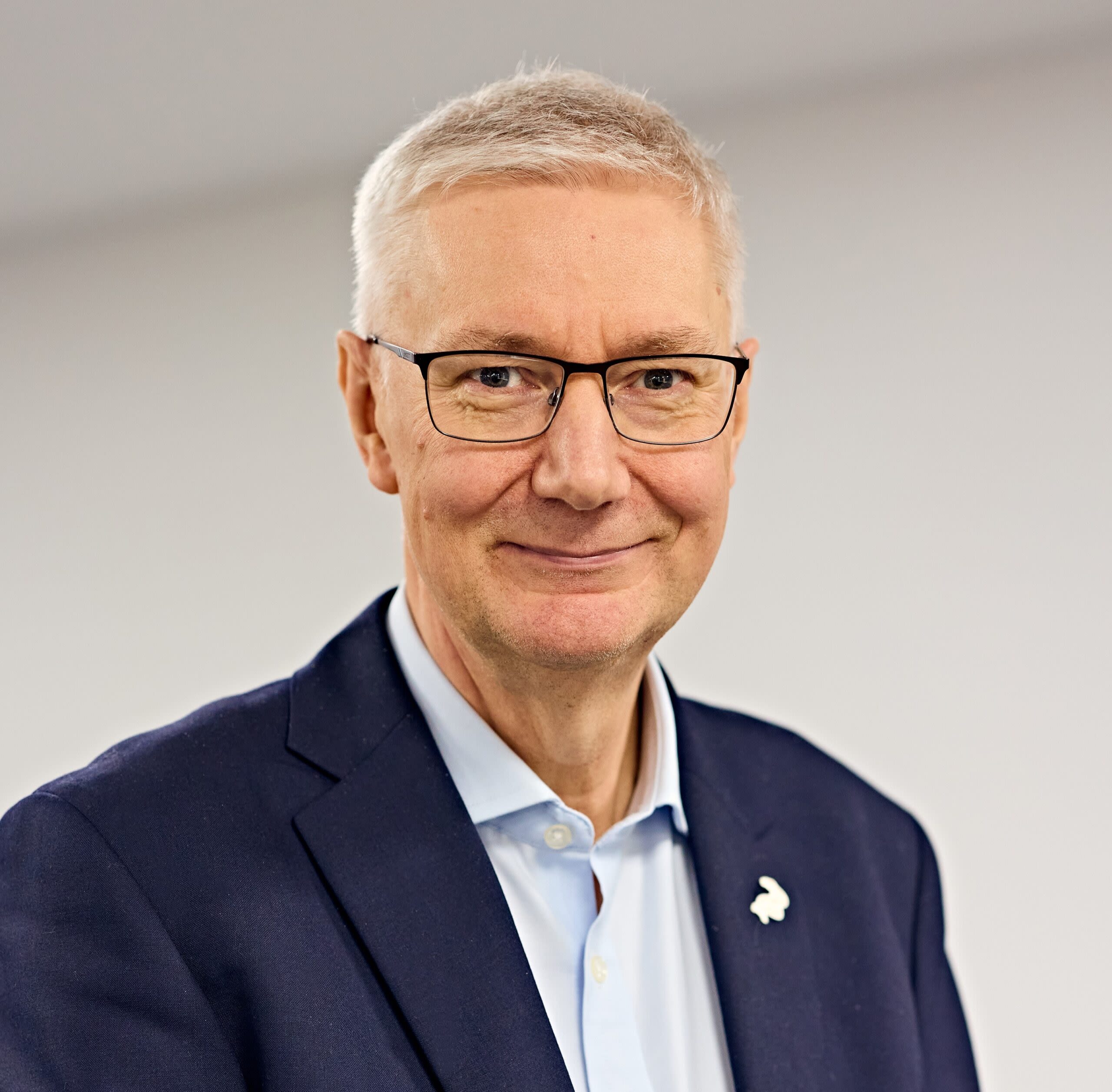
Professor Andrew Morris became inaugural Director of Health Data Research UK in August 2017, leading national efforts to harness data-driven innovation for public benefit. He's seconded from his position as Professor of Medicine and Vice Principal of Data Science at Edinburgh University. Previously, he was Dean of Medicine at Dundee University and Chief Scientist at Scottish Government Health Directorate (2012-2017). In March 2024, he became President of the Academy of Medical Sciences. His research focuses on informatics and chronic diseases, with over 350 publications. He co-founded Aridhia Informatics in 2007 and was awarded a CBE in 2018.
Professor George Davey Smith

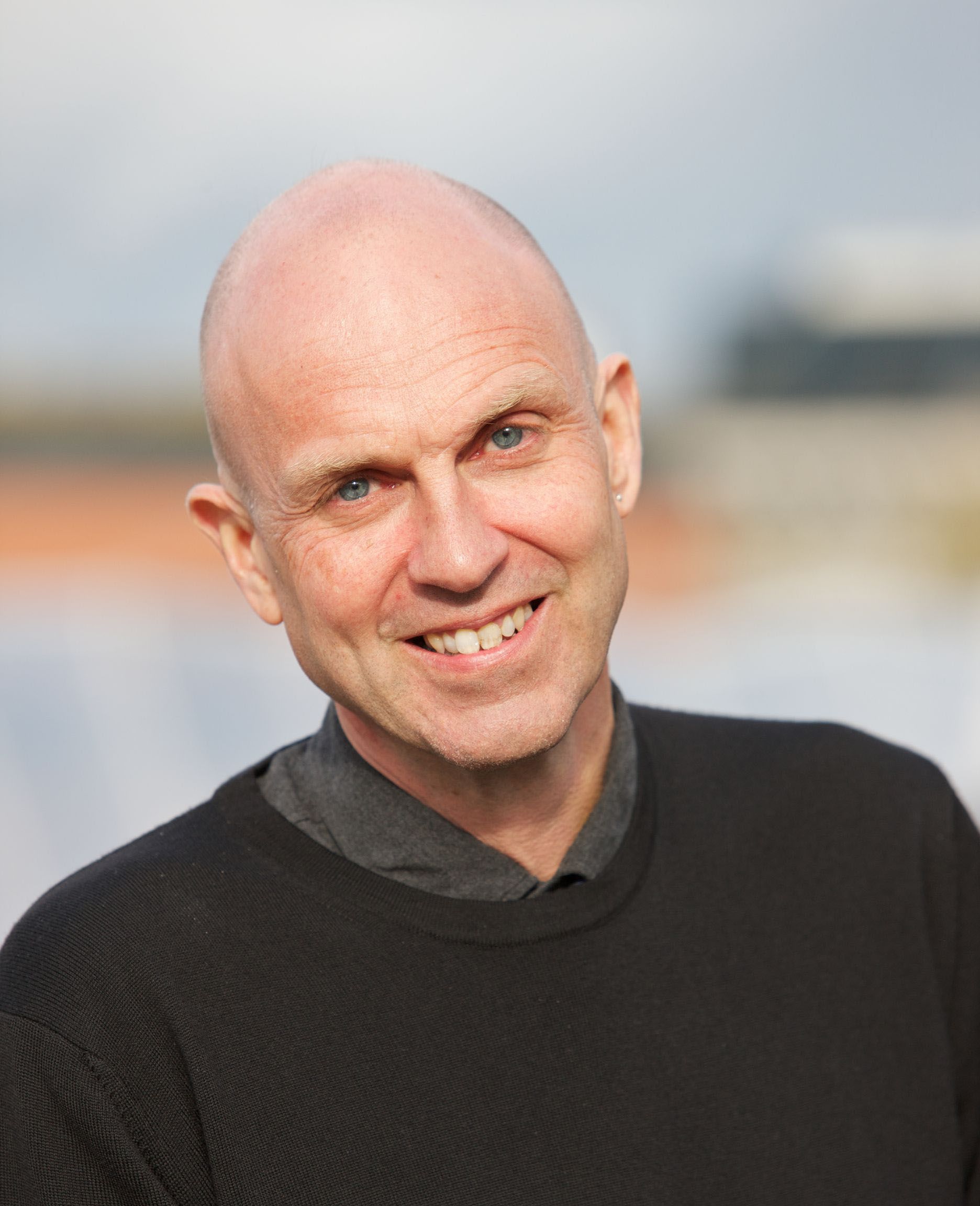
Professor George Davey Smith is Professor of Clinical Epidemiology at Bristol Medical School and Director of the MRC Integrative Epidemiology Unit at the University of Bristol. One of the most influential figures in modern epidemiology, he is known for finding better ways to understand what really cause diseases and how they can be prevented. He is internationally recognised for pioneering Mendelian Randomisation, a method that uses genetic information to test whether certain factors (like diet, lifestyle, or biomarkers) actually cause disease, rather than are associated with it. Beginning in the late 1980s, his work has highlighted how confounding and measurement error could mislead interpretations of observational studies, and has helped to resolve major debates, such as whether HDL cholesterol or moderate drinking really protect against heart disease.
 Built with Shorthand