
Novel EAF Composite Feedstock


“This technology offers an opportunity to make the green [steel] transition with a cheaper feedstock that has lower emissions in the supply chain. Crucially, this technology can happen in the next five years rather than 20.”

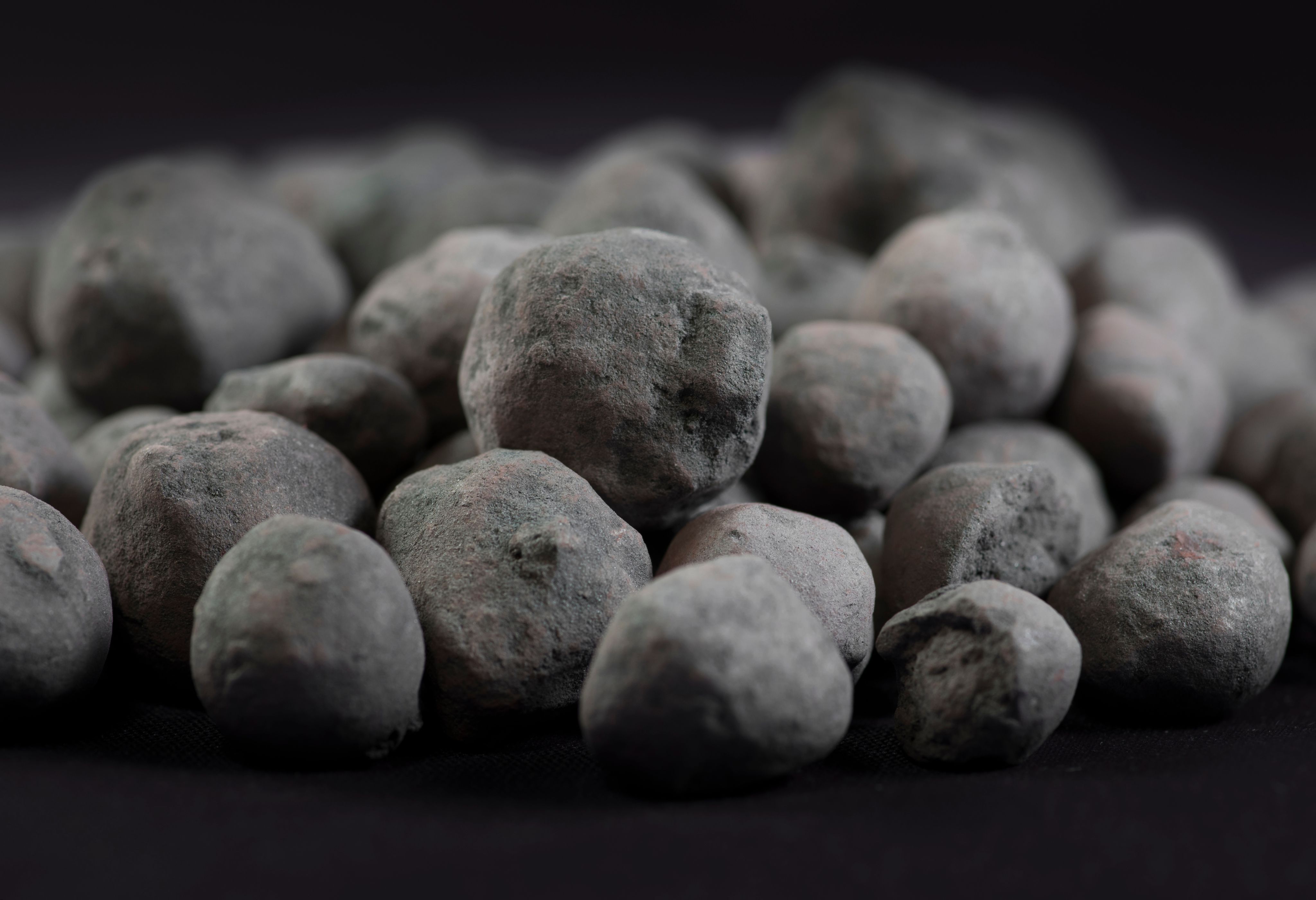
The project team also considered potential changes to furnace operation practices to accommodate the composite pellets and developed standard operating procedures for pellet feeds.
The next steps are larger-scale trials, experimenting with different grades of iron ore and using biochar instead of coal, which is a much cleaner carbon. But the company already has a number of steel companies and iron ore mines interested in the technology, says Brown, who believes the pellets could offer much-needed support to the UK steel industry.
“We are at imminent risk of losing valuable UK steel manufacturing skills. This technology offers an opportunity to make the green transition with a cheaper feedstock with lower emissions in the supply chain. Crucially, this technology can happen in the next five years rather than 20,” explains Brown. “This is a sustainable solution that helps the UK remain competitive and safeguards jobs.”



 Built with Shorthand